
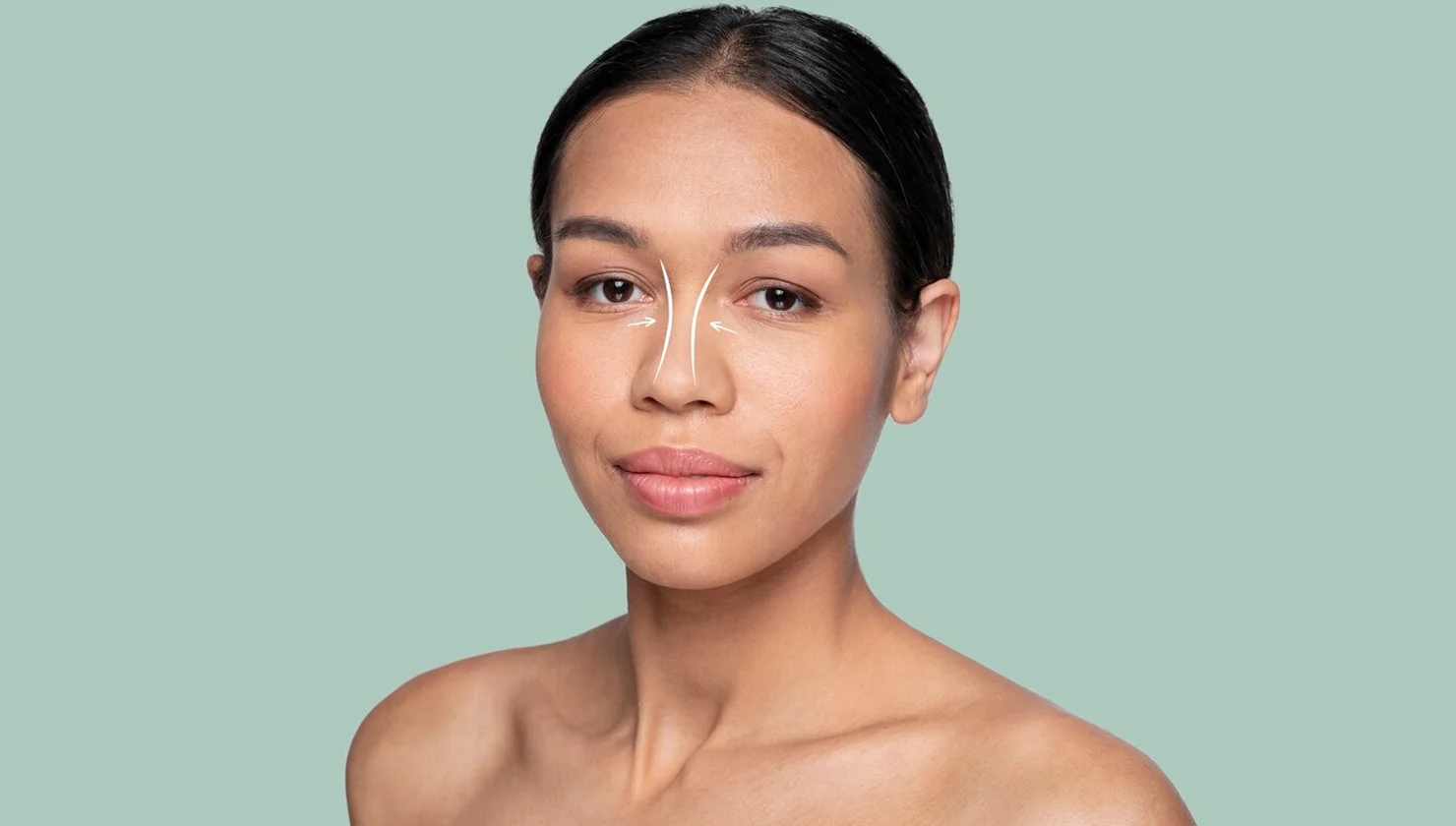
Rhinoplasty is one of the most sought-after and technically demanding procedures in modern plastic surgery. This advanced surgical procedure aims to improve both the aesthetic appearance of the nose and its functional performance. At Dr. Erhan Güneri’s clinic, rhinoplasty procedures are carefully tailored to each patient’s individual needs and facial structure.
Rhinoplasty not only improves appearance but also has the potential to significantly enhance a patient’s quality of life. As the nose is one of the most central and prominent features of the face, rhinoplasty plays a key role in improving overall facial harmony and proportions. When performed with the correct techniques, it can also address chronic breathing problems and contribute positively to physical health.
What is Rhinoplasty?
Rhinoplasty is a surgical procedure performed to change the shape and/or function of the nose. At Dr. Erhan Güneri’s clinic, this procedure can be carried out for both aesthetic and functional purposes. In addition to improving the appearance of the nose, rhinoplasty can also resolve breathing issues.
The procedure involves reshaping the nasal bones, cartilage, and soft tissues. Each surgery is carefully planned based on the patient’s facial structure, skin type, age, and expectations. Dr. Erhan Güneri adopts a personalized approach to meet each patient’s unique needs.
Why is Rhinoplasty Performed?
Rhinoplasty may be performed for both aesthetic and functional reasons:
Aesthetic reasons:
- Drooping or wide nasal tip
- Hump or bump on the nasal bridge
- Wide nostrils
- Disproportionate nose relative to the face
- Crooked nose
Functional reasons:
- Breathing difficulties
- Chronic sinus issues
- Deviated septum
- Structural deformities due to trauma
- Congenital nasal abnormalities
Dr. Erhan Güneri addresses both aesthetic concerns and functional problems, offering personalized solutions that improve both appearance and quality of life.
How is Rhinoplasty Performed?
Rhinoplasty is a delicate surgical procedure usually performed under general anesthesia. The technique is selected based on the patient’s anatomy and goals.
Main steps include:
Anesthesia:
General anesthesia is administered so the patient remains asleep and comfortable.
Incisions:
Incisions are made either inside the nose (closed technique) or across the columella (open technique).
Reshaping:
Bone and cartilage are reshaped to achieve the desired appearance and function. Tissue may be removed, added, or repositioned.
Septum correction:
If a deviated septum is present, it is corrected to improve breathing.
Closure:
Incisions are closed with sutures. Most are internal, leaving no visible scars.
Splint and support:
A nasal splint is applied to maintain shape during healing. Nasal packing may be used if necessary.
Dr. Erhan Güneri uses advanced technology and minimally invasive techniques to achieve optimal results. Initial recovery is usually noticeable within the first few weeks.
Rhinoplasty Techniques
Rhinoplasty is highly individualized. Common techniques include:
Open Rhinoplasty:
A small incision is made between the nostrils.
- Better visibility for the surgeon
- Ideal for complex cases
- Precise tip reshaping
Closed Rhinoplasty:
All incisions are inside the nose.
- No visible scars
- Faster recovery
- Less swelling and bruising
Ultrasonic Rhinoplasty:
Uses advanced devices for precise bone shaping.
- Greater accuracy
- Less trauma to surrounding tissues
- Faster recovery
Piezo Rhinoplasty:
Uses piezoelectric technology for controlled bone reshaping.
- High precision
- Preserves soft tissue
- Reduced swelling and bruising
Non-Surgical Rhinoplasty (Liquid Rhinoplasty):
Performed using hyaluronic acid fillers.
- Quick results
- No surgery required
- Temporary (lasts 6–18 months)
The most suitable technique is selected based on the patient’s anatomy, expectations, and medical history.
Who is a Good Candidate?
Rhinoplasty may be suitable for:
- Adults dissatisfied with their nasal appearance
- Individuals with breathing difficulties
- Patients with congenital deformities
- Those with trauma-related nasal changes
- Patients seeking revision surgery
- Individuals experiencing age-related changes
General requirements:
- Completed physical development
- Good overall health
- Realistic expectations
- Non-smoker or willing to quit
- No substance dependency
Each patient is evaluated individually.
Who is Not Suitable for Rhinoplasty?
Rhinoplasty may not be recommended in the following cases:
Medical conditions:
- Uncontrolled diabetes
- Serious heart or lung disease
- Bleeding disorders
- Weakened immune system
Psychological conditions:
- Body dysmorphic disorder
- Unrealistic expectations
- Severe depression or anxiety
Lifestyle factors:
- Active substance abuse
- Heavy smoking without willingness to quit
Other conditions:
- Incomplete nasal development
- Pregnancy or breastfeeding
- Recent facial surgery
- History of severe scarring (keloids)
- Severe structural damage from multiple previous surgeries
In some cases, surgery may be postponed until the patient’s condition improves.
Dr. Erhan Güneri carefully evaluates each patient to ensure safety and optimal outcomes. A personalized approach is followed for every case, and surgery is only planned when the patient is both physically and psychologically suitable.

What Are the Possible Risks of Rhinoplasty?
Although rhinoplasty is one of the most commonly performed procedures in modern plastic surgery, it carries certain risks, as with any surgical intervention. Dr. Erhan Güneri provides detailed information about these risks and takes all necessary precautions to minimize complications. However, it is important for patients to be aware of them and make informed decisions.
Possible risks include:
Infection
As with any surgery, there is a risk of infection. Modern sterilization techniques and proper post-operative care significantly reduce this risk.
Bleeding
Excessive bleeding may occur during or after surgery. Although rare, it may require medical intervention in serious cases.
Anesthesia-related complications
Side effects or complications related to general anesthesia may occur. This risk is minimized by working with experienced anesthesia professionals.
Numbness or loss of sensation
Temporary or permanent numbness around the nose may occur. This usually improves over time.
Asymmetry
There may be slight differences between the two sides of the nose after surgery. While not always completely preventable, it is minimized with experienced surgical technique.
Breathing difficulties
In rare cases, breathing problems may occur after surgery. These are usually temporary.
Skin discoloration
Temporary or, rarely, permanent changes in skin color may occur.
Septal perforation
A hole in the nasal septum is a rare complication and may require additional surgery.
Changes in sense of smell
Temporary or permanent changes in smell may occur in some patients.
Need for revision surgery
In some cases, the initial results may not be satisfactory, and revision surgery may be required.
Scar tissue formation
In open rhinoplasty, a small scar may remain on the columella, though it usually fades over time.
Psychological effects
Some patients may experience temporary emotional adjustment as they adapt to their new appearance.
Most of these risks can be minimized with careful surgical technique and proper post-operative care. Dr. Erhan Güneri adopts a personalized approach to reduce risks and ensure safe outcomes.
Post-Operative Care After Rhinoplasty
Proper aftercare is essential for a successful result and smooth recovery.
Key recommendations:
- Keep your head elevated for the first few days to reduce swelling and bleeding
- Apply cold compresses during the first 48 hours (avoid direct contact with the nose)
- Take prescribed medications regularly and avoid blood-thinning drugs
- Stay well hydrated and consume soft, easy-to-chew foods
- Use saline solutions as recommended for nasal care
- Avoid touching or rubbing the nose
- Do not wear glasses that put pressure on the nose for 6–8 weeks
- Protect the nose from direct sun exposure for at least 3 months
- Wear front-opening clothing during the first week
- Avoid heavy exercise for 3–4 weeks
- Avoid smoking and alcohol for at least 3 weeks
- Attend all scheduled follow-up appointments
- Do not remove splints or bandages unless instructed
- Be patient with temporary emotional changes
Dr. Erhan Güneri closely monitors the recovery process and provides personalized post-operative care plans.
Frequently Asked Questions
How long do rhinoplasty results last?
Rhinoplasty results are generally permanent. However, natural aging may cause minor changes over time. A well-performed procedure typically provides lifelong results.
What is the ideal age for rhinoplasty?
Rhinoplasty is usually recommended once physical development is complete:
- Around 15–16 years for females
- Around 16–17 years for males
Each patient is evaluated individually.
How long is the recovery process?
- 1–2 weeks: Swelling and bruising mostly resolve
- 2–4 weeks: Return to social life
- 6–8 weeks: Sensitivity decreases
- 3–6 months: Shape becomes more defined
- 1 year: Full recovery
Can rhinoplasty be performed after a nasal fracture?
Yes. Rhinoplasty is often recommended after nasal trauma to restore both appearance and function. Timing depends on the severity of the injury.
Will the nose be as strong after surgery?
When performed by an experienced surgeon, rhinoplasty preserves and may even improve structural integrity. After full healing, the nose is generally as strong and functional as before.
Dr. Erhan Güneri focuses on both aesthetic and functional outcomes, ensuring safe procedures and long-term patient satisfaction.